Wildlife Camp sits on almost 300 hectares, and a good stretch of that is a private peninsula that belongs to us alone; no other camp, no public access, just bush.
It’s where most of our walking safaris happen, and where a handful of our other activities take place too. It’s also home to our bush camp, and the Sleepouts will join it in 2027.
Ask most people what the difference is between our peninsula and the national park next door, and the honest answer is: not much. The wildlife doesn’t know where the boundary is, and it shows.
Two resident leopards call the peninsula home, and there’s always elephant, giraffe, and herds of buffalo somewhere on it. Lions and wild dogs move through regularly, following the same paths the rest of the valley’s wildlife does. Elephants in particular treat it as a safe crossing point in and out of the national park; they know this stretch of ground, and they know it’s safe, so they use it accordingly.
Owning this land comes with a responsibility we take seriously. Our presence here (guides, guests, and vehicles moving through regularly) helps deter poaching, overfishing, and illegal deforestation, simply by being a consistent, watchful presence on the ground. We also work directly with the local forestry team, who patrol the peninsula as part of the wider effort to keep it protected.
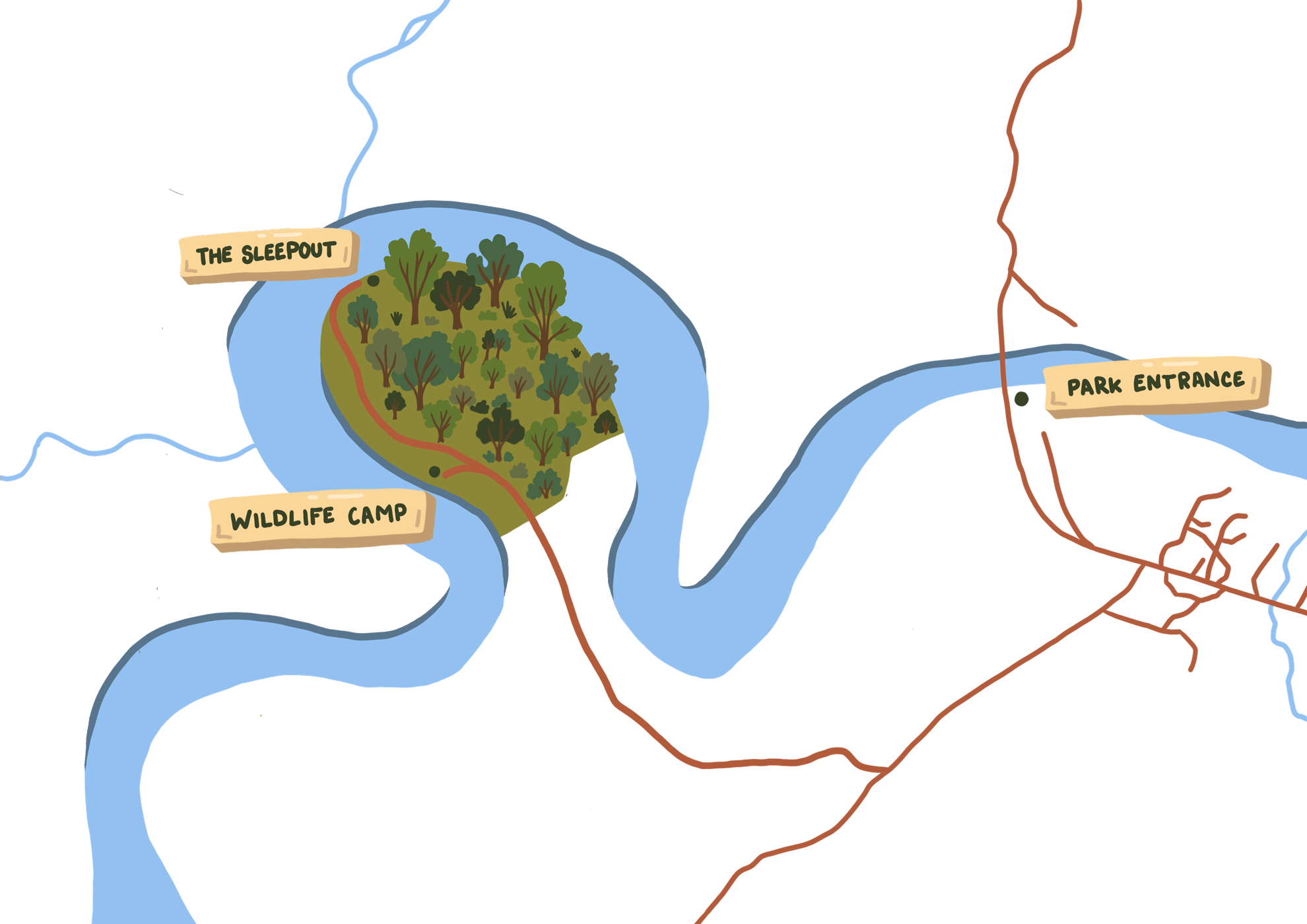
In the main South Luangwa area, Wildlife Camp on the peninsula is unique. It’s the only stretch of its kind, and it serves double duty as a buffer between us and the nearby lodges, keeping this corner of the valley a little quieter and more wild.
Children are welcome at every age, and stay for less when sharing with an adult — free under 2, half price from 3 to 11, and a quarter off from 12 to 17.
Book five nights or more and get 15% off — because the best part of the valley is the part you don’t rush.
 Specials