Wildlife Camp has been on the banks of the Luangwa River since 1992.
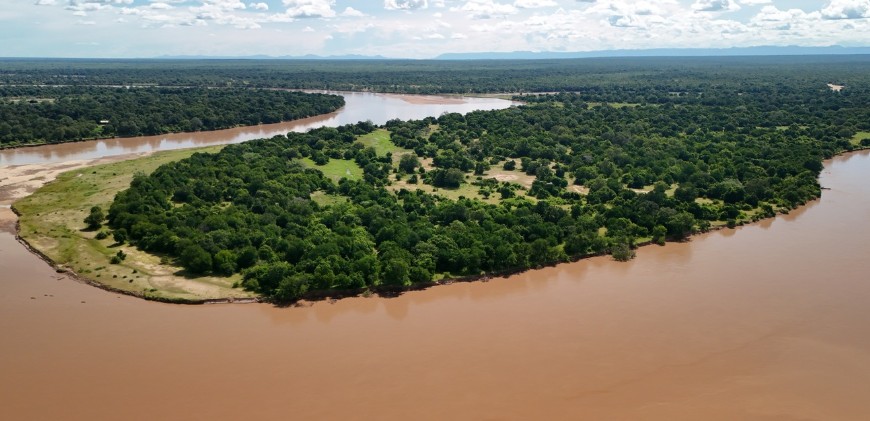
Sitting on 296 hectares of semi-private peninsula, Wildlife Camp offers a prime location to access one of Africa’s premier national parks. Far enough from town to enjoy daily wildlife activity, yet just 15 minutes from the main park entrance — it’s hard to imagine a better position.
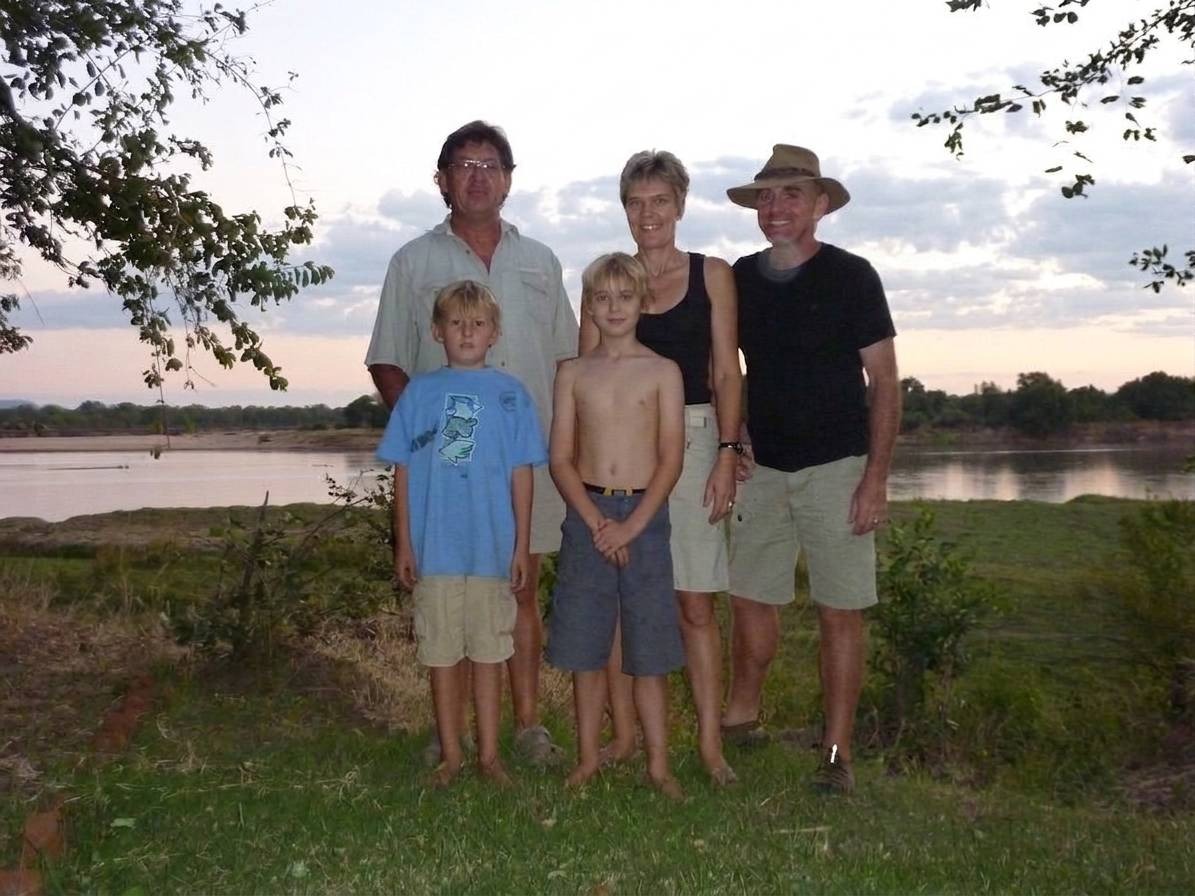
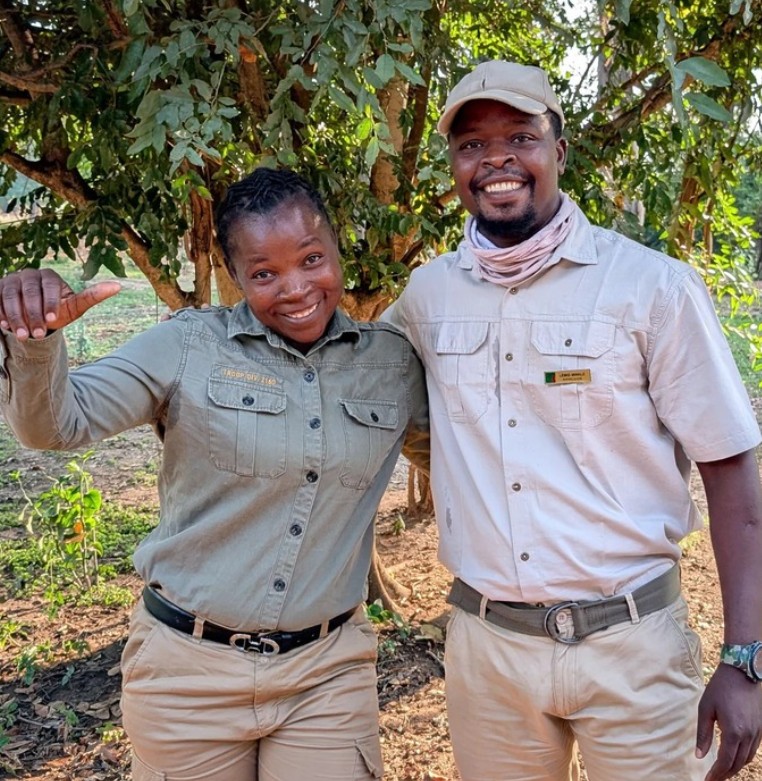
Under new ownership since 2026, Byron Miles and Luke Cowan grew up together in the Valley. Now, three decades after their parents started the camp, they are ready to take i somewhere new.
With fresh energy and a youthful vision, they are committed to making safari more accessible, looking after the land they grew up on, and doing it in a way that feels genuinely new.

FAMILY OWNED & OPERATED
Semi-Private peninsula filled with wildlife
Mins from main game viewing area in South Luangwa
18th July 2026
Leopard with a kill, hyenas, giraffes, hippos, elephants, puku, waterbucks, zebras, lions mating, buffaloes, wildebeest
5 riverfront · 5 Standard · 3 Overlander
Located right on the river’s edge, each site has a shelter and is close to the bar and pool area. Five sites are front row “riverfront campsites,” though all sites are close to the river or our lagoon hide. For overlanders, there are 3 XL shelters to accommodate bigger groups.
10 Standard · 20 PAX
Our safari tents are located right on the river bank, looking down the Luangwa River. Each tent features two single beds, a balcony, and an ensuite bathroom. These tents are also ideal for campers looking to upgrade their experience, being conveniently close to the campsite and its bar and pool.
3 Standard · 1 Family · 24 PAX
Our chalets are located close to the main bar, with 4 overlooking the Luangwa River and 5 overlooking the animal- dense lagoon. These are our most spacious accommodation option, and our family chalets include two rooms.
3 Dorms · 12 PAX
Built for overlanders who’ve been on the road a while and just need a proper bed, a hot shower, and somewhere safe to park up for the night. Shared dorm-style rooms, simple and comfortable, right in the middle of the same wild stretch of river as the rest of camp.
The Luangwa Valley is shaped by its lagoons — old curves of the river that have been cut off over time and become permanent water sources. They draw wildlife in throughout the day, particularly in the dry season when water elsewhere is harder to find.
The lagoon-side chalets look directly onto one of these. Elephants come to drink in the morning and late afternoon. Giraffe, puku, and warthog are around most of the time. It’s one of those spots where you end up sitting longer than you planned.
Some nights, a roof just gets in the way. The Sleepout is a raised platform on stilts, open to the sky, with nothing between you and the Milky Way but a mosquito net. No walls. No ceiling. Just the sounds of the valley doing what it does after dark — hippos grumbling down at the water, the odd hyena whooping somewhere off in the dark, and more stars than you knew were up there.
Some nights, a roof just gets in the way. The Sleepout is a raised platform on stilts, open to the sky, with nothing between you and the Milky Way but a mosquito net. No walls. No ceiling. Just the sounds of the valley doing what it does after dark — hippos grumbling down at the water, the odd hyena whooping somewhere off in the dark, and more stars than you knew were up there.
Three nights at Lagoon Camp and one night at the Star beds
Includes
$1,314.00
Three nights at Lagoon Camp and two nights in a remote Bush Camp
Includes
$1,905.00
Three nights at Lagoon Camp, one night at the Star beds, and three nights in a remote Bush Camp
Includes
$2,694.00
The Luangwa Valley is shaped by its lagoons — old curves of the river that have been cut off over time and become permanent water sources. They draw wildlife in throughout the day, particularly in the dry season when water elsewhere is harder to find.
The lagoon-side chalets look directly onto one of these. Elephants come to drink in the morning and late afternoon. Giraffe, puku, and warthog are around most of the time. It’s one of those spots where you end up sitting longer than you planned.
Wildlife Camp offers a range of safari activities led by the best trained safari guides in Africa.
We’re proud to continue our partnership with WECSZ, Zambia’s longest-standing conservation NGO.
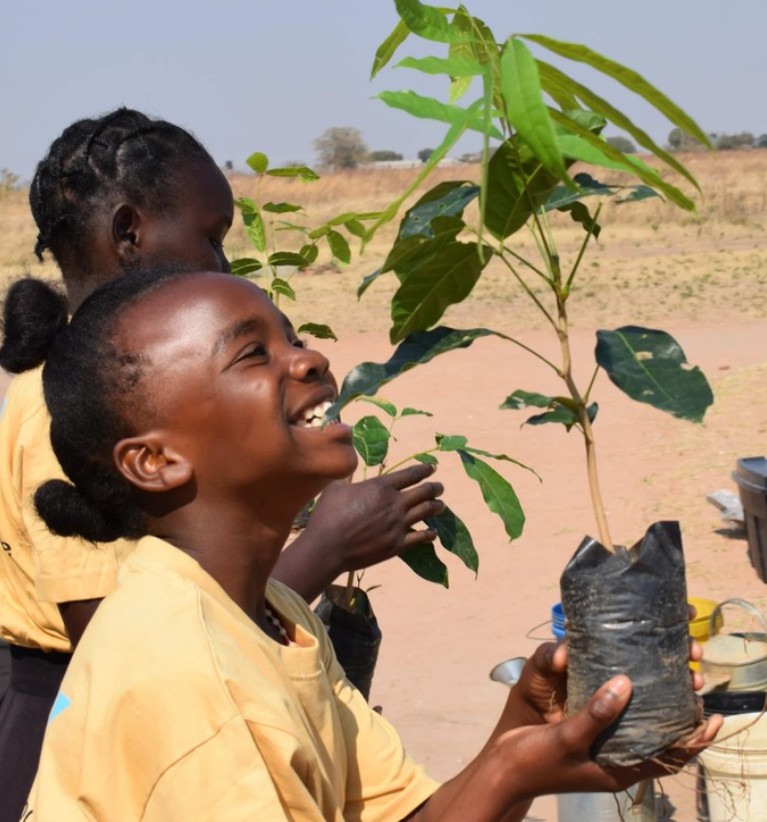
A portion of every night you spend at Wildlife Camp goes directly to WECSZ, helping to engage local communities in environmental and conservation work.
This support takes many forms. Through the Chongololo and Chipembele Conservation Clubs (CCCCZ), along with their associated radio channels, conservation education reaches communities across the region. In collaboration with WWF Zambia, we’ve helped establish four community-led forest management groups in the upper Luangwa catchment, protecting over 3,500 hectares of forest. Our own private peninsula, spanning 296 hectares, is safeguarded by our activities and fisheries team, while our guide training programme offers hands-on internships for the next generation of safari guides. On property, dedicated wildlife conservation buildings further support this ongoing work.
Whether you’re after a fully organised safari or just somewhere to pitch a tent near good wildlife, get in touch and we’ll figure out the right option. Book direct for the best rates.
 Specials